Riding with awareness behind you is key to safer cycling. This guide highlights five top helmet-mounted rear view mirrors designed to reduce blind spots, withstand wind and chases on roads or trails, and fit a range of helmet styles. Each option prioritizes stability, ease of use, and clear rear visibility so riders of all levels can pick a mirror that suits their needs and riding conditions.
Summary of Selected Products
| Product | Brand | Key Benefit | Notes |
|---|---|---|---|
| PIDZOOM Bike Helmet Mirror | PidZoom | 360° yaw rotation, 75° pitch, 60 mph wind resistance | Silicone ball joints and dual adjustability |
| Safe Zone Bicycle Helmet Mirror | EVT | Large 2.25″ mirror, sturdy, minimal vibration | Linked arm adjusts and holds position well |
| Take A Look Cycling Mirror | TAKE A LOOK | Left-side wear, no power needed | Versatile clip-on to sunglasses or helmets |
| Accmor 2 Pack Bike Helmet Mirror | Accmor | 360° rotation, easy attachment, dual mounting | Two-pack for multiple helmets |
| qiyue The High Definition Rearview Mirror | qiyue | HD convex view, adjustable length | Lightweight aluminum design |
The mirrors below are evaluated for visibility, installation simplicity, durability, and adaptability to different helmet types. Each section presents a concise overview and practical considerations to help you decide which mirror best fits your riding style.
PidZoom 360° Adjustable Helmet Mirror

The PIDZOOM helmet mirror is built for high-velocity conditions and rugged trails. It features dual silicone-coated ball joints that increase traction by 400%, contributing to stable positioning even in gusts or rough terrain. The package includes both 3M tape and an O-ring mounting base, offering versatile installation options across a variety of helmet surfaces. Rotation is 360 degrees on the yaw axis with 75 degrees of pitch, enabling a wide range of viewing angles. Its primary advantage lies in reliable alignment, which remains steady up to speeds around 60 mph. Installation tips include cleaning the helmet surface prior to applying the 3M tape and allowing a 24-hour curing period for maximum bond strength. This model is suited for riders who want strong, customizable rear visibility without sacrificing helmet fit or aerodynamics.
Key considerations:
– Stability under fast riding and jumps, thanks to silicone joints.
– Ease of adjustment with two joints and thumb nuts.
– Versatility in mounting on different helmet styles due to tape and O-ring bases.
EVT Safe Zone Bicycle Helmet Mirror

The Safe Zone helmet mirror emphasizes a large viewing surface with a 2 1/4 inch mirror to maximize awareness of traffic behind you. Its construction is described as very sturdy with minimal vibration, and the linked arm is designed for straightforward adjustment while maintaining the position you set. This option is particularly appealing for riders who prioritize a broad rear view without frequent readjustments. While the mirror is not the lightest on the market, its durability and secure hold can offer long-term reliability on daily commutes and weekend rides alike.
Key considerations:
– Large viewing surface improves rear awareness.
– Stable, vibration-resistant design reduces the need for frequent tweaks.
– Easy adjustment via a linked arm; good balance of visibility and stability.
Take A Look Cycling Mirror

Take A Look offers a low-tech, always-on rearview solution that clips onto sunglasses, helmet visors, or helmets with an optional adapter. It is designed for left-side wear, providing an unobstructed view behind you, with a right-side version available. The no-battery requirement and readiness as soon as clipped make it a convenient choice for riders who want a quick, reliable rear view without mechanical complexity. This model emphasizes portability and adaptability across different eyewear and helmet configurations, making it popular for casual riders and those who value minimal setup time.
Key considerations:
– Left-side preferred for unobstructed rear visibility; right-side option exists.
– No power source required; always ready when clipped on.
– Flexible attachment options for sunglasses or protective gear.
Accmor 2 Pack Helmet Mirror

The Accmor 2 Pack provides 360-degree rotation with a universal mounting approach, allowing riders to place the mirrors at the most effective viewing spot in front of the eye line. The design emphasizes durability and stability through an ABS electroplating convex mirror that resists breaking. Installation is straightforward: peal off protective film, align, and lock the mirror in place. The dual-pack feature enables riders to equip multiple helmets or share with a cycling partner. Both left and right side mounting options enhance flexibility for different riding preferences and helmet styles.
Key considerations:
– 360-degree rotation for flexible viewing angles.
– Durable, break-resistant convex mirror.
– Simple, quick installation on either side; two mirrors in one purchase.
qiyue High Definition Rearview Mirror
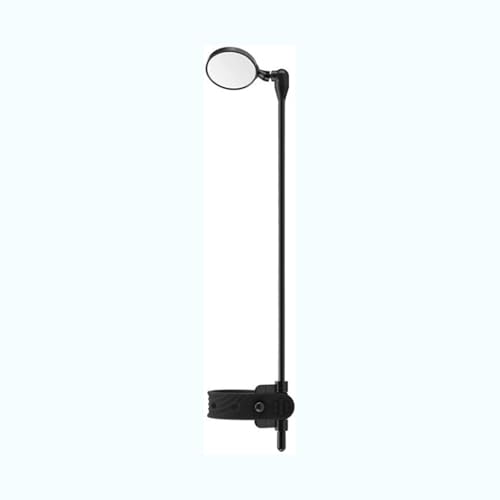
qiyue’s rearview mirror emphasizes a high-definition convex lens with wide viewing capabilities and adjustable length. The mirror is mounted via lightweight aluminum rods that can bend to fit most helmet shapes, offering a balance between durability and ease of use. Rotation up to 360 degrees and an extendable arm allow one-handed adjustments for comfortable viewing from various helmet positions. It is a practical choice when riders want a robust, customizable rear view without adding significant weight to the helmet.
Key considerations:
– Lightweight aluminum frame keeps helmet load manageable.
– 360-degree rotation and extendable arm for personalized angles.
– Clear, wide field of view to minimize blind spots.
Buying Guide: Key Purchase Considerations And Comparisons
Purpose and riding style: Choose a mirror that aligns with your typical rides, whether daily commuting, mountain biking, or road racing. Consider whether you prefer a large fixed mirror or an adjustable, modular setup to fit different helmet types.
Mounting compatibility: Check if the mirror uses a tape-and-base system, magnetic mount, or clip-on design. Some riders prefer a tape-based mount for a streamlined look, while others want rapid removal for different helmet models or shared use among family members.
Adjustment range and stability: Look for 360-degree rotation, adequate pitch, and robust joints. Silicone-coated ball joints or reinforced arms can improve stability during high-speed rides or bumpy trails. Ensure the mirror stays in place after adjustment and does not vibrate excessively.
Weight and aerodynamics: Heavier mirrors can affect helmet balance and comfort, especially on long rides. Lightweight options are preferable for daily use and endurance cycling, but ensure durability remains adequate for rough environments.
Visibility and lens quality: A larger mirror surface improves rear visibility, but ensure the mirror provides a clear, distortion-free reflection. Some models offer night-safety features or reflective stickers for additional visibility in low light.
Durability and weather resistance: Materials like ABS, aluminum, and corrosion-resistant plastics extend mirror life under rain, mud, or dust. Consider models designed for MTB or road cycling to match typical weather conditions.
Price-to-value balance: While premium mirrors often offer superior stability and visibility, more affordable options can still deliver reliable performance for casual riders. Compare features, warranty, and replacement parts when evaluating price versus value.
Compatibility with helmets and eyewear: If you wear sunglasses or a full-face helmet, confirm that the clip or tape system accommodates your gear. Some mirrors attach to sunglasses or visor hinges, broadening compatibility across gear.
Maintenance and care: Periodic checks of tape adhesion, joint looseness, and mirror clarity help maintain safety. Gently clean the mirror surface to avoid scratches, and replace protective films when reassembling after adjustments.
Final note: The best choice depends on how you ride, your helmet type, and how you prefer to interact with rear visibility. The options listed above offer a range of mounting styles, from simple clip-ons to robust, multi-adjustment systems, ensuring safer riding across various environments.