Oil stop leak sealants help address common engine oil leaks and reduce blue exhaust, drips, and loss of oil. This guide highlights five widely used products, covering different seal types, compatibility, and operating conditions. Each option is evaluated for ease of use, sealing effectiveness, and broad fluid compatibility to support American motorists managing aging engines, seals, and gaskets.
| Product | Brand | Key Benefit |
|---|---|---|
| Lucas Oil 10278 Engine Oil Stop Leak | Lucas Oil Store | Multi-purpose seal restoration for engines |
| Bar’s Leaks 1334 One Seal Stop Leak | Bar’s Leaks Store | Versatile sealant for engine, transmission, and power steering |
| Bar’s Leaks OS-1 Oil Seal Engine Oil Burning and Leak Repair | Bar’s Leaks Store | Stops burning oil and reduces blue smoke |
| Multifunctional Liquid Siphon Pump | Qeuxv Store | Helpful tool for fluid extraction and leaks inspection |
| ATP Automotive AT-205 Re-Seal Stops Leaks | automotive | Re-Seal solution for multiple fluids and seals |
Lucas Oil 10278 Engine Oil Stop Leak
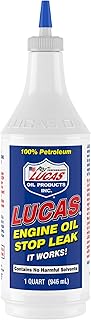
The Lucas Oil 10278 Engine Oil Stop Leak is designed as a multipurpose additive for engine oil systems. It is packaged in a quart bottle, signaling ease of use for regular maintenance intervals. The product type is listed as Auto Oil, which emphasizes compatibility with standard automotive engine lubricants. This solution aims to seal minor leaks in seals and gaskets while preserving overall oil performance. Packaging dimensions and weight suggest a compact, standard distribution suitable for household garages and professional shops alike.
Bar’s Leaks 1334 One Seal Stop Leak
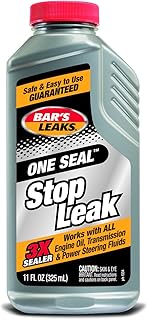
Bar’s Leaks 1334 One Seal Stop Leak is a versatile formula designed to work with all engine oil, transmission fluid, and power steering fluids. The product is advertised as safe and easy to use, with a single bottle capable of treating one system leak. It emphasizes a threefold sealing approach to address gasket and seal leaks caused by wear and aging, making it a practical option for mixed fluid systems in older vehicles. This option is well-suited for DIY enthusiasts seeking a straightforward sealing solution.
Bar’s Leaks OS-1 Oil Seal Engine Oil Burning and Leak Repair

Bar’s Leaks OS-1 is designed to address oil burning and oil leaks by sealing worn seals and gaskets. The product claims effectiveness across a wide range of engines, including gasoline, diesel, turbocharged, EcoBoost, and even racing configurations. It targets symptoms such as blue exhaust and oil consumption, with usage guidance for engines of varying cylinder counts. This option is particularly relevant for engines showing burning oil signs and minor leaks in high-mileage or heavy-use vehicles.
Multifunctional Liquid Siphon Pump

This siphon pump is a practical tool for fluid transfer, including gasoline, motor oil, and diesel. Its wide-diameter pump design supports faster, one-handed operation, making it useful for inspecting or addressing leaks by removing or transferring fluids for closer inspection. Features highlight durability, a leak-free seal, and anti-backflow capabilities with a dual valve design. While not a stop-leak product, it complements leak management and maintenance routines.
ATP Automotive AT-205 Re-Seal Stops Leaks

ATP Automotive AT-205 Re-Seal Stops Leaks is presented as a professional-strength resealer that works across multiple fluids, including conventional and synthetic oils, ATF, and hydraulic fluids. It is designed to rejuvenate rubber seals and gaskets in engines, transmissions, power steering, differentials, and hydraulic systems. This makes it a versatile option for multi-system leaks where a single product targets several seals found in typical passenger vehicles and light trucks.
Buying Guide
When choosing an oil stop leak sealant, consider fluid compatibility, the type of leaks, and engine condition. For minor gasket and seal wear, products labeled as universal seal restorers can be effective, but avoid using sealants that alter oil viscosity or clog filters. Look for formulas that specify compatibility with conventional and synthetic oils, ATF, and power steering fluids if you have multiple systems. Application guidance matters: some products are designed for one-time treatment, while others suggest periodic dosing with a maintenance plan.
Evaluate the source: reputable brands with clear usage instructions and cautions often provide safer, more predictable results. For engines with significant oil consumption or heavy leaks, a professional assessment may be necessary, as sealant additives can mask underlying mechanical issues. Also consider whether you need a supplemental tool, like a siphon pump, to assist with inspection and maintenance tasks.
Performance expectations vary by vehicle age and design. Older engines with worn valve seals or gaskets may respond better to a targeted OS-1 style formula, while newer engines might benefit from general-purpose stop-leak products. Always follow product directions, monitor oil levels, and inspect for reduced leaks over several days of operation. Choose a product that aligns with your vehicle’s needs and your maintenance routine.