Oil seal leaks can compromise engine performance and lead to expensive repairs. This guide highlights five effective products designed to seal minor to moderate leaks, reduce oil consumption, and minimize blue smoke. Each option focuses on reconditioning seals, protecting gaskets, and delivering fast results without engine teardown. Use the summaries below to compare performance, compatibility, and guarantees.
| Product | Brand | Volume | Key Benefit |
|---|---|---|---|
| Engine Oil Stop Leak (1oz) Engine Treatment | Engine Wizard Store | 1 oz | Seals leaks quickly; reconditions seals; reduces smoke |
| Bar’s Leaks OS-1 Oil Seal | Bar’s Leaks | 16.9 oz | Engine oil burning and leak repair |
| Engine Oil Stop Leak (3 oz) | Engine Wizard Store | 3 oz | Fast leak fixes; reduces blue smoke; supports heavy use |
| Lucas Oil Stop Leak | Lucas Oil Store | 1 Quart | Re-seals leaks; compatible with multiple oils |
| ATP AT-205 Re-Seal | automotive | 8 oz | Professional strength reseal; revitalizes seals & gaskets |
Note: The products above cover a range of engine seal and gasket types, from small-dose additives to larger-volume formulas. When selecting a solution, consider engine type, oil viscosity, and the location of the leak. Always follow label instructions and consult a mechanic if leaks are persistent or accompanied by symptoms such as overheating or loss of coolant.
Engine Oil Stop Leak (1oz) — Quick Seal And Guard

The Engine Oil Stop Leak (1oz) from Engine Wizard Store is designed for rapid action on minor leaks without dismantling. Its advanced formula targets seepage at the source and reconditions hardened seals to help prevent future drips. In addition to sealing, the product is described as helping reduce blue exhaust smoke and lowering oil consumption, which can lead to cleaner engine performance and fewer top-ups. This option is well-suited for drivers facing intermittent leaks or seasonally cooled engines where minimal downtime is preferred.
Important features include a quick-seal mechanism that operates with standard motor oils, compatibility with engine seals and gaskets, and a focus on restoring flexibility to seals. Users should check for obvious structural leaks or widespread seepage that warrants professional inspection. While the formula aims to reduce smoking and oil loss, it’s not a substitute for major gasket failures or cracked oil pans.
Pros: easy dosage, fast sealing, support for seals during temperature fluctuations. Cons: results may vary by leak severity, and not all engines will respond equally to a single-use treatment.
Bar’s Leaks OS-1 Oil Seal

Bar’s Leaks OS-1 Oil Seal addresses engine oil leaks and burning. The 16.9-ounce formula targets seals and gaskets, aiming to restore proper sealing and reduce consumption. The product is marketed for both leak repair and ongoing prevention, making it a practical choice for vehicles with older seals or mixed maintenance histories. Compatibility is broad, and the formula is designed for use with conventional oils as well as synthetic blends. As with any seal remedy, results depend on leak severity and engine condition.
Key points include a focus on sealing performance, ease of use, and a long-standing reputation in the market. Potential drawbacks include variable results with complex leaks or hardware failures. Users should monitor oil levels closely after applying and avoid relying on the product for acute mechanical damage.
Engine Oil Stop Leak (3 oz) For Heavy Use
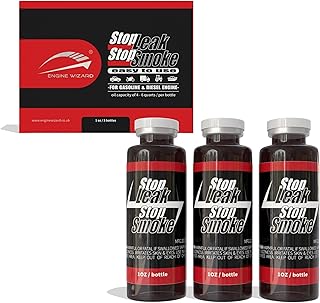
The Engine Oil Stop Leak (3 oz) is designed for heavy-duty and seasonal use, offering a larger dose that can address leaks more aggressively. It claims to fix leaks within roughly 30 miles of driving and includes online support to help diagnose leak types via photos. The formula also claims to eliminate blue smoke and provide a refund guarantee if issues persist, signaling a confidence in performance. This option is best for drivers facing persistent leaks or those seeking a rapid, visible reduction in oil loss during the active driving season.
Considerations include the potential for stronger formulations to interact with engine materials. While the product emphasizes quick results, it is still a preventive measure and not a substitute for damaged components. Users should follow dosing instructions and verify compatibility with their oil type and engine model.
Pros: strong leak-sealing action, smoke reduction promise, money-back guarantee. Cons: higher dosage may not suit some engines, and results vary with leak type.
Lucas Oil Stop Leak — Versatile Seal Restoration
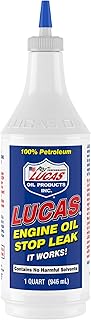
Lucas Oil 10278 Engine Oil Stop Leak is a quart-sized option designed to work across a range of engines. The product listing emphasizes compatibility with various oil types and states standard packaging dimensions, suggesting broad applicability for everyday vehicle maintenance. It positions itself as a trusted additive that can help seal leaks without requiring expensive repairs or engine teardown. The general approach is to restore elasticity to seals and prevent further leakage while maintaining engine cleanliness and lubrication integrity.
Users should consider the product as part of a regular preventive maintenance plan, especially for aging engines or vehicles with minor gasket wear. It is not a guaranteed fix for significant engine damage, and performance may depend on leak location and engine condition. Always monitor oil levels after application and consider professional inspection for persistent leaks.
ATP AT-205 Re-Seal Stops Leaks

ATP Automotive AT-205 Re-Seal is an 8-ounce bottle designed for professional-strength resealing. It targets rubber seals and gaskets in engines, transmissions, power steering, differentials, and hydraulic systems. The formula is compatible with conventional and synthetic oils, ATF, gear oil, and hydraulic fluids, making it a flexible choice for mixed fleets or vehicles with multiple fluid systems. This product emphasizes rapid action and broad seal rejuvenation capabilities, potentially reducing leakage across several components with a single application.
Considerations include the need for accurate dosing and verification that the leak is due to flexible seals rather than cracked housings. While the product can rejuvenate seals, persistent leaks or structural damage should be addressed by a professional mechanic. The versatility across systems makes it attractive for DIYers managing varied vehicles or those performing routine maintenance.
Buying Guide: Key Purchase Considerations
- Leak severity: For small seepage, lighter formulas may suffice; for persistent leaks, a stronger or larger-dose product may be needed.
- Engine type and oil compatibility: Ensure the product supports your oil type (conventional or synthetic) and your engine’s design.
- Seal material and age: Older engines with hardened or shrunken seals respond differently; some products are designed to recondition such seals.
- Vehicle usage patterns: Seasonal or heavy-use engines may benefit from larger-dose or more robust formulas.
- Warranty and guarantees: Some products offer refunds or guarantees if leaks persist, which can guide decision-making.
- Diagnosis vs. permanent fix: Seal leak products provide temporary relief or maintenance as a stopgap; persistent leaks may require component replacement.
When evaluating options, consider testable outcomes such as reduced oil consumption, less visible blue smoke, and stabilization of oil levels over a few hundred miles. Always read the product label for dosage, compatibility, and safety guidelines. If unsure, consult a trusted mechanic to confirm that a seal remedy is appropriate for your specific engine condition and leak type.