Oil seal leak additives offer a convenient option for addressing common seal and gasket issues without major repairs. This article reviews five trusted products that target oil leaks, burning oil, and general engine wear, helping you compare formulations, compatibility, and potential results. All selections are designed for typical gasoline and diesel engines and work with conventional and synthetic oils. Use as directed and monitor engine oil levels closely after use.
| Product | Brand | Notes |
|---|---|---|
| Lucas Oil 10278 Engine Oil Stop Leak | Lucas Oil Store | General stop-leak for seals and gaskets |
| Bar’s Leaks OS-1 Oil Seal Engine Oil Burning & Leak Repair | Bar’s Leaks Store | Broad seal and oil-burn prevention |
| STP High Mileage Oil Treatment + Stop Leak | STP Store | Designed for high-mileage vehicles |
| Premium Omega 3 Fish Oil for Cats | NuLife Natural Pet Health Store | Non-automotive use; used here as a broader example of oil-based supplements |
| ATP Automotive AT-205 Re-Seal Stops Leaks | automotive | Professional-strength resealing for multiple systems |
Choosing the right additive depends on engine type, oil usage, and leak severity. The following sections break down each product, highlighting its aims, typical applications, and what to expect. No single solution fits every vehicle, so consider combined maintenance steps like filter changes and oil-type compatibility when assessing results.
Lucas Oil 10278 Engine Oil Stop Leak
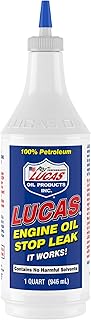
The Lucas Oil 10278 Engine Oil Stop Leak is a general-purpose additive designed to rejuvenate worn seals and gaskets and reduce minor oil leaks. It is formulated for use with most conventional and synthetic motor oils. The product’s packaging lists key details such as its drive for seal protection and leak prevention, with a compact quart-sized container that is easy to measure and add during routine maintenance. This option is commonly chosen for light-duty vehicles with minor seepage rather than severe drips.
Bar’s Leaks OS-1 Oil Seal Engine Oil Burn & Leak Repair

Bar’s Leaks OS-1 is crafted to combat oil leaks from seals and gaskets while also addressing oil burning and blue exhaust symptoms. It’s marketed for a broad range of engines, including turbocharged and hybrid applications, and claims effectiveness in reducing oil consumption in engines that burn oil. The product targets worn valve seals and guides and is suitable for 3-, 4-, 5-, 6-, 8-, and 10-cylinder engines. As with all seal restoratives, performance depends on leak severity and engine condition.
STP High Mileage Oil Treatment + Stop Leak

STP’s High Mileage Oil Treatment is paired with a Stop Leak formulation designed for vehicles with over 75,000 miles. This product emphasizes a thick protective film that reduces metal-to-metal contact, adds ZDDP anti-wear benefits, and helps rejuvenate seals and gaskets to curb leaks, noise, and smoking. It is compatible with cars, light trucks, and SUVs and is intended for use during oil changes as part of ongoing maintenance for aging engines.
Premium Omega 3 Fish Oil for Cats

Premium Omega 3 Fish Oil for cats is included here as a broader reference to omega-3 oil formulations and their role in supporting skin, coat, and overall health. While not an automotive additive, the product demonstrates how oil-based supplements are marketed to address wear and aging in different contexts. For engine use, rely on automotive-grade products designed specifically for seal and gasket protection and follow manufacturer guidelines for oil compatibility and dosing in engines.
ATP Automotive AT-205 Re-Seal Stops Leaks

ATP Automotive AT-205 Re-Seal Stops Leaks is a professional-strength solution aimed at resealing leaks across engines, transmissions, power steering, differentials, and hydraulic systems. It states compatibility with conventional and synthetic oils, ATF, gear oil, and other fluids. This product is often selected for its broad sealing capability and fast-acting claim, making it suitable for users seeking rapid relief from leaks in multiple systems. Vehicle-specific results will vary based on leak type and system pressure.
Buying Guide: Key Purchase Considerations
When evaluating oil seal leak additives, buyers should consider leak type, engine type, oil specification, and maintenance plan. The following perspectives help balance effectiveness, safety, and long-term cost:
- Leak severity: For small seepage, a milder seal conditioner can suffice. For significant leaks or burning oil symptoms, a stronger resealant or adjuncts designed for oil-burning engines may be appropriate.
- Engine and oil compatibility: Check engine type (gasoline vs. diesel), engine warranty, and whether the additive is compatible with conventional or synthetic oils. Some products may require a specific oil base for optimal results.
- Vehicle age and mileage: High-mileage engines often respond to stop-leak formulations that also protect seals, but oils with compatible viscosity and anti-wear agents (like ZDDP) can enhance protection in aging engines.
- Usage guidelines: Additives are typically used during regular oil changes. Do not exceed recommended dosages, and monitor oil level and engine temperatures after application.
- Multiple-system considerations: If leaks occur in seals beyond the engine (transmission, power steering, etc.), select products marketed for multi-system use or consider a targeted approach per system.
- Safety and maintenance habits: Use products from reputable brands, follow disposal guidelines for old oil, and schedule professional inspection if leaks persist or worsen after treatment.
Comparative points to keep in mind include ease of use, claimed speed of action, and the breadth of compatibility. Consumers should balance expectations with engine condition—some leaks demand mechanical sealing through gasket replacement, rather than additive-based remedies. For best results, pair additives with routine maintenance: correct oil grade, timely filter changes, and a proactive approach to detecting leaks early.