Gas-powered bicycle engine kits let riders turn a standard bike into a motorized vehicle for longer commutes, easier hill climbs, or weekend adventures. This article reviews five popular options, highlighting installation details, performance specs, and maintenance tips to help you choose the right kit for 26″–28″ bikes. Each kit uses a two-stroke gasoline engine and a complete set of components to convert a traditional bicycle into a motorized bike. Read on to compare features, durability, and overall value for American riders seeking power, reliability, and ease of use.
Summary of Chosen Products
- IMAYCC Bike Motor Kit 100cc (Black)
- Afranti Updated 80cc Bicycle Engine Kit (Digital Speedometer)
- IMAYCC Bike Motor Kit 80cc (Black)
- 110cc Bicycle Engine Kit (2-Stroke, Full Set)
- IMAYCC Bike Motor Kit 100cc (Silver)
IMAYCC 100cc Gas Bicycle Engine Kit (Black)
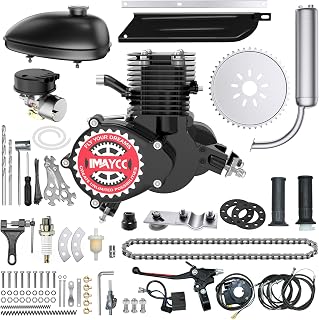
The IMAYCC 100cc kit is designed for 26–28″ bicycles, delivering a 2 kW output at around 6500 rpm. It provides a complete engine kit with a single-cylinder, air-cooled two-stroke design, CDI ignition, and a standard 44-tooth sprocket paired with a 110-tooth chain. The kit emphasizes practical installation with guidance for riders who have basic mechanical skills. It’s suitable for longer rides and improved acceleration, making it a solid option for riders seeking extra power without complex electronics.
Afranti Updated 80cc Gas Bicycle Engine Kit (Digital Speedometer)

This kit converts most 26″ or 28″ bikes with a V-frame into motorized vehicles, featuring a 2-stroke 80cc engine and a wired digital speedometer. It includes upgraded hardware such as premium hex socket screws and bolts to boost durability and ease of assembly. The power rating reaches about 2.1 kW at 5000 rpm, offering swift acceleration and practical hill-climb capability. It supports long-distance riding with improved durability and a fuel-aware design that aims to balance performance with efficiency.
IMAYCC 80cc Gas Bike Engine Kit (Black)

The IMAYCC 80cc kit mirrors the 80cc class with 2-stroke, a single-cylinder engine and CDI ignition. It uses the same 44-tooth sprocket and 110-tooth chain arrangement as other IMAYCC sets, ensuring compatibility with a broad range of 26–28″ bikes. Installation instructions emphasize first-timer precautions and online tutorials to ease the process. The kit’s 2.1 kW output at 5000 rpm provides a balanced blend of performance and reliability for urban commutes and recreational rides.
110cc Bicycle Engine Kit (2-Stroke, Full Set)

The 110cc kit offers a higher power option, featuring a 3 kW output at 6000 rpm, aimed at riders seeking stronger performance and faster cruising. It is designed for 26″ and 28″ V-frame bikes and highlights durability with a heavy-duty metal engine body. The package emphasizes quiet operation and minimal vibration, suitable for riders who want a balance between speed and a more modest sound profile. It’s a strong choice for those planning longer rides or demanding terrain.
IMAYCC 100cc Gas Bike Engine Kit (Silver)

The final IMAYCC option is the 100cc kit in a Silver finish, maintaining our consistent 2-stroke, single-cylinder design with 2 kW power at 6500 rpm. The installation guidance remains similar across IMAYCC products, with an emphasis on thorough reading of the included instructions and supplementary online tutorials. This kit uses the same sprocket and chain configuration and CDI ignition to deliver reliable performance and easier maintenance for long-distance riding and frequent use.
Buying Guide: Key Purchase Considerations
When selecting a gas engine kit for bikes, consider several factors to ensure a good match for your riding style, bike model, and local regulations. Here are the main dimensions to weigh:
- Engine displacement and power. Higher cc generally means more torque and faster acceleration, but it can affect weight, fuel consumption, and legality on public roads. Choose 80cc, 100cc, or 110cc based on how you ride and your local requirements.
- Bike compatibility. Most kits target 26″–28″ wheels on V-frame bikes. Check mounting points, chain alignment, and space for the carburetor and exhaust to avoid clearance issues with pedals or frame components.
- Installation effort. Many kits require 2–4 hours or more and basic mechanical skills. Look for clear instructions, online tutorials, and included hardware to minimize headaches during assembly.
- Durability and materials. Durable engine housing, quality fasteners, and heat management influence longevity, maintenance frequency, and reliability in varied weather and terrain.
- Fuel and lubrication. Most kits use regular gasoline with a specific oil mix (e.g., 16:1 or 20:1). Use the recommended oils and follow schedule maintenance to preserve engine life and performance.
- Electronic components. Some kits include a wired digital speedometer or CDI ignition. Confirm compatibility with your bike’s wiring and ensure safe electrical routing and shielding from moisture and debris.
- Sound and vibration. Engine noise and vibration levels vary by engine size and installation. Consider a kit that minimizes noise if you ride in shared spaces or near residential areas.
- Maintenance needs. Regular inspection of spark plugs, air filters, exhaust, and fuel lines helps reduce issues. Access to spare parts and local service support matters for long-term use.
- Legal and safety considerations. Some jurisdictions restrict operation of motorized bicycles on sidewalks or require licenses. Verify local rules and wear appropriate safety gear during operation.
Performance And Longevity Perspectives
Riders often weigh performance against weight and ease of use. A 100cc kit tends to provide a balanced boost for city streets and light trails, while the 110cc option targets higher speeds and stronger climbs. Kit durability is improved by quality hardware, proper torque during installation, and correct fuel-oil ratios. For those new to conversion, choosing a kit with included instructional support and accessible online tutorials can reduce trial-and-error time and promote safer, more reliable operation.
Maintenance Essentials For Gas Bike Engines
- Regularly check the fuel mixture and oil ratio as recommended by the manufacturer.
- Inspect and tighten mounting bolts to prevent vibration-related looseness.
- Keep air intakes clean and replace or clean the spark plug as needed.
- Lubricate chains, sprockets, and the throttle mechanism to ensure smooth operation.
- Test braking and throttle response in a controlled area after installation.
Installation Tips For Best Results
- Follow the manufacturer’s steps in order, and watch reputable installation tutorials to anticipate common issues.
- Plan cable routing and protect wiring from water spray and mud exposure.
- Use the recommended torque values for mounting bolts to avoid over-tightening or loosening during rides.
- Break in the engine according to the manual, avoiding high throttle settings during initial miles.