Upgrading pocket bike wheels can improve handling, stability, and durability. This guide highlights five top billet-style wheel options and rear kits designed for pocket bikes and mini motorcycles. Each entry includes installation notes, material quality, and suitability for common pocket rocket setups to help riders select the right wheels for performance and reliability.
| Brand | Product | Key Benefit |
|---|---|---|
| Kadimendium | Front Wheel Rim, Thickened Tire Replacement | Stable, easy installation |
| Okuyonic | Wheel Rim, Thickened Pocket Bike Tire Wheel | High-durability and simple setup |
| KONKENIE | 110/50-6.5 Rear Wheel Tyre Tire | Durable metal and rubber, precise fit |
| Zikepa | 110/50-6.5” Mini Bike Wheel Rear Tire | Aluminum rim, new rubber |
| AOWINHIT | Pocket Bike Tire Wheel Tyre Rims (Rear Wheel) | Anti-skid, easy install |
The following selections cover front and rear wheels, with a focus on thickness, ease of installation, durability, and compatibility with common pocket bike models. Each product section includes a direct link, an image block, and the key features that influence performance on a variety of surfaces.
Kadimendium Front Wheel Rim Replacement

The Kadimendium wheel rim is designed as a direct replacement for worn or damaged pocket bike wheels. It emphasizes stability and reliability, with a straightforward installation that requires minimal tools. The inner tube is thickened to resist higher air pressure, reducing the likelihood of crushing or bursting under load. This makes it suitable for riders who want a durable front wheel that supports consistent handling on varied surfaces.
Compatibility notes: Intended for pocket bikes requiring a direct front wheel replacement. Installation is described as simple, with emphasis on preserving alignment and balance for predictable steering dynamics. This option prioritizes stability and longevity for daily use or casual racing sessions.
Hardline Products USA Wheels For Tots Training Wheels

These wheels are engineered in the USA and designed to mount under the floorboard using a center stand mount, which can enhance strength and durability for training setups. They are adjustable to match the rider’s skill level, making them a practical choice for beginners and younger riders who want reliable support and controlled progression. The kit-style approach emphasizes safety and ease of use.
Performance notes: While primarily advertised as training wheels, the construction quality and mounting strategy can contribute to steadier rides in certain pocket bike configurations. Suitable for riders seeking added balance during learning phases or for display/presentation models that require sturdy support.
KONKENIE 110/50-6.5 Rear Wheel Tyre Tire

The KONKENIE rear wheel kit is sized for 110/50-6.5 tires and features bearings and a robust combination of metal and rubber. With precise dimensions (270x270x100mm overall footprint and a 10 mm inner hole), it is designed for easy installation on compatible pocket rockets. The model emphasizes durability and a clean finish, making it suitable for riders who want a reliable replacement wheel that can handle regular use and rougher terrain.
Key considerations: Material quality and bearing compatibility are central to this option. While it aims for long service life, verifying fit with specific pocket bike frames is recommended before installation.
Zikepa 110/50-6.5” Mini Bike Wheel Rear Kit
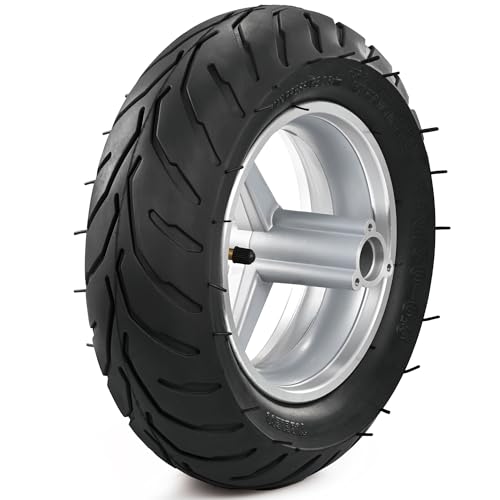
This rear wheel and tire package pairs an aluminum alloy rim with a 110/50-6.5” tire and a high-quality rubber compound. The aluminum rim contributes to reduced unsprung weight for better acceleration and braking feel, while the new rubber provides solid grip. Installation is described as straightforward, with a focus on maintaining proper wheel alignment and balance for smooth rides.
Practical notes: The combination of lightness from the alloy and upgraded tire can improve overall handling in street and track-like environments, making it a versatile option for pocket rocket enthusiasts seeking better performance without heavy modifications.
AOWINHIT Pocket Bike Tire Wheel Rims (Rear)

The AOWINHIT rear wheel set emphasizes thickened inner tubes for high air pressure endurance, reducing the risk of crushing and bursting during hard riding. Installation is described as simple, and the anti-skid hard rubber tire offers confident grip across varied surfaces. The combination of a robust inner tube and a durable tire makes this option suitable for riders seeking reliability and straightforward maintenance.
Considerations: Ensure compatibility with your pocket bike’s frame and hub spacing. The kit is positioned for riders who want a strong, easy-to-install rear wheel that can handle longer sessions and more aggressive riding styles.
Buying Guide: Key Considerations For Pocket Bike Wheels
Choosing the right pocket bike wheels involves assessing build quality, fit, performance, and maintenance needs. Here are several perspectives to help you decide:
- Fit and compatibility: Confirm wheel diameter, inner hole size, and axle spacing match your pocket bike model. A poor fit can affect steering, braking, and overall safety.
- Material and durability: Alloy rims reduce unsprung weight for better handling, while thickened inner tubes improve air pressure endurance. Balance weight savings with strength for your riding style.
- Grip and tread: Hard rubber tires provide solid grip on smooth surfaces but may wear faster on rough terrain. Consider tread patterns based on typical riding conditions (indoor tracks vs. pavement).
- Installation effort: Look for wheels that advertise simple installation without specialized tools. This reduces downtime and increases the likelihood of a proper, safe setup.
- Performance goals: For beginners, training wheels or stable rims can improve confidence. For experienced riders, lighter rims and higher-traction tires can boost acceleration and cornering response.
- Maintenance needs: Thicker tubes and robust tires may resist bursting, but regular inspection for wear and proper inflation is still essential to safety and performance.
- Cost-to-benefit: Compare the long-term durability and maintenance requirements of each option, rather than focusing solely on upfront price.
- Safety and testing: When possible, choose components that have been tested for consistent performance across temperatures and usage scenarios to minimize risk during high-speed runs or stunts.