Choosing the right 225/45R18 91V run-flat tire involves balancing ride comfort, safety in wet conditions, and the ability to drive after a puncture. This guide reviews five top options, highlighting run-flat capability, handling, and durability to help you decide which tire fits your vehicle and driving style. The list below pulls from well-known brands and real-world performance benchmarks to provide a clear, objective comparison for American readers.
| Product | Brand | Run-Flat | Key Benefit |
|---|---|---|---|
| Pirelli Cinturato P7 225/45R18 91V Passenger Tire | Pirelli Store | No | All-season performance and efficiency |
| Pirelli Cinturato P7 All Season 225/45R18 91V | Pirelli Store | No | All-season versatility for BMW 3 Series |
| Bridgestone Turanza QuietTrack All-Season Touring Tire 225/45R18 91 V | Bridgestone Store | No | Quiet, confident ride in various conditions |
| Bridgestone Driveguard Run-Flat Passenger Tire 225/45RF18 95 W Extra Load | Bridgestone Store | Yes | True run-flat capability with extra load support |
| Goodyear 225/45R18 91V Assurance All-Season VSB | Goodyear | No | Solid all-season performance with value |
The following sections detail five tires that match the requested size and load index. Each entry covers run-flat capability (if applicable), performance highlights, and practical notes to help you compare real-world benefits. All information reflects common consumer data and available product descriptions.
Pirelli Cinturato P7 225/45R18 91V

The Pirelli Cinturato P7 225/45R18 91V is designed for all-season performance with a focus on efficiency and comfort. Its packaging lists dimensions and weight that align with typical passenger-car tires. While not a dedicated run-flat, it provides reliable traction and a comfortable ride, with a notable emphasis on steady handling and even tread wear. The 91V load index supports standard passenger weight ranges, making it a solid everyday choice for mid-sized sedans and coupes. Consider this option if you prioritize low noise and refined steering feel over puncture resilience.
Key attributes include balanced dry and wet grip, improved rolling resistance for fuel economy, and a broad compatibility with premium vehicle platforms. The tire’s construction aims to reduce road vibrations, contributing to a smoother cabin experience. For drivers upgrading from an earlier generation, the P7 lineup often offers a familiar steering response with modern stabilization features that help manage cornering and lane changes with confidence.
Pirelli Cinturato P7 All Season 225/45R18 91V

This Pirelli all-season tire is marketed for BMW 3 Series models and similar platforms, offering a blend of performance and practicality. It emphasizes versatile traction across wet and dry conditions, with a design that favors long tread life and consistent wear. As a non-run-flat option, it relies on a standard spare or roadside assistance in the event of a puncture. The 91V load index indicates compatibility with typical passenger-car weights, while the tread pattern is engineered to provide stable steering response and predictable feedback in everyday driving.
Pros include quiet operation and balanced performance with wet grip emphasis. Potential downsides for some users may include a longer stopping distance on particularly slick surfaces compared to dedicated performance tires. This tire suits drivers prioritizing all-season flexibility and fuel efficiency over the puncture-resilience of run-flat models.
Bridgestone Turanza QuietTrack All-Season
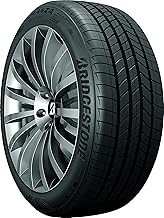
The Bridgestone Turanza QuietTrack is positioned as a comfort-focused all-season tire with an emphasis on a smoother ride and confident performance in wet and light snow. The tire aims to deliver low cabin noise and consistent handling through a broad temperature range. Its traction and braking characteristics are designed to be predictable, with a long service life that helps owners extend the interval between replacements.
Performance notes include quiet operation, stable cornering behavior, and reliable traction in rain. It does not feature run-flat technology, so drivers must plan for a tire puncture scenario with standard roadside arrangements. For buyers who value comfort, low noise, and reliable everyday performance, QuietTrack is a strong candidate in this category.
Bridgestone Driveguard Run-Flat 225/45RF18 95W

The Bridgestone Driveguard Run-Flat tire is a true run-flat option designed for drivers who want the ability to continue driving after a puncture. It supports an Extra Load rating, offering solid load-bearing performance for passenger cars. The tire’s packaging indicates dimensions close to 26 inches in length and width, with a target weight around the 28-pound range per tire, which reflects the heavier build typical of run-flats.
Considerations for Driveguard include the trade-off between ride harshness and puncture resilience, as run-flat tires can transmit more road feel in some setups. If you frequently drive in areas with limited roadside assistance or prefer the security of a run-flat capability, this model provides a practical option, especially for modern sedans and crossover designs that come with run-flat systems from the factory.
Goodyear Assurance All-Season 225/45R18 91V

The Goodyear Assurance All-Season VSB is engineered to deliver dependable all-season performance with a focus on durability and value. The tire’s packaging notes standard dimensions and a design intended to provide a balanced ride across wet and dry conditions. While not a run-flat tire, the Assurance line emphasizes long wear life and solid traction, making it a practical choice for drivers who prioritize reliability and cost-effectiveness in daily commuting.
Key aspects include steady handling, strong tread wear potential, and predictable braking in varied weather. This option is well-suited for budget-conscious buyers seeking a dependable all-season tire with comfortable ride characteristics and solid overall performance.
Buying Guide: Key Purchase Considerations
When selecting a 225/45R18 91V tire, consider:
– Run-flat capability: If you prefer continued mobility after a puncture, prioritize true run-flat models like Bridgestone Driveguard. If puncture resilience isn’t essential, non-run-flat options can offer a quieter ride and longer tread life at lower cost.
– Vehicle compatibility: Check your vehicle’s load index, speed rating, and recommended tire type. Some cars equipped with run-flat systems rely on special maintenance or pressures to preserve performance.
– Driving conditions: For urban commuting, all-season tires with quiet operation and solid wet grip are ideal. For drivers in aggressive climates or spirited driving, look for tires emphasizing handling and wet traction.
– Comfort vs. sport: If cabin quietness and smoothness are priorities, favor Turanza QuietTrack or Pirelli Cinturato P7 All Season. For sporty handling, evaluate tread design and stiffness in the Pirelli lineup.
– Longevity and warranty: Consider wear rating, expected mileage, and manufacturer warranties. These impact total cost of ownership and replacement intervals.
– Price vs. performance: While price is a factor, balance it against traction, noise, and durability. The most expensive option isn’t always the best fit for every driver or vehicle.
– Tire dimensions: The 225/45R18 size corresponds to compact and mid-size sedans and some crossovers. Ensure the tire’s load index and speed rating align with your vehicle’s requirements and manufacturer recommendations.
– Brand guidance: Established brands like Pirelli, Bridgestone, and Goodyear offer robust selections and widely available dealer networks for installation and rotation services. Reading reviews and testing results can provide deeper insight into real-world performance in your area.
– Seasonal suitability: If you live in regions with winter weather, confirm whether the tire is designed for all-season use or if you should pair it with a dedicated winter tire setup.
In summary, the right tire depends on whether you value run-flat capability, ride comfort, or all-season versatility. Compare the listed options against your vehicle’s specifications, driving patterns, and roadside support preferences to select the best fit.