Choosing the right engine oil helps protect your engine, maintain performance, and extend service life. This guide highlights 10W-30 conventional options favored for gasoline engines, focusing on wear protection, sludge control, and overall reliability. The selected products come from trusted brands and provide a range of features to suit daily drivers, trucks, and older engines that benefit from conventional formulations. Use this overview to compare performance traits and identify an oil that aligns with your vehicle’s maintenance schedule and operating conditions.
Summary at a glance: the following table lists five conventional 10W-30 motor oils, their brands, and key benefits to help you compare quickly.
| Product | Brand | Key Benefit |
|---|---|---|
| SAE 10W-30 Conventional Motor Oil – 1 QT | ULTRA 1PLUS | Engine life extension, deposit protection, emission system support |
| Castrol GTX 10W-30 Conventional Motor Oil, 1 Quart | Castrol | Sludge protection, viscosity and thermal stability |
| Castrol GTX 10W-30 Conventional Motor Oil, 5 Quarts | Castrol | Sludge protection, anti-wear additives, base oil protection |
| Pennzoil 10W-30 Motor Oil, 1 Quart | Pennzoil | Clean engines, wear protection, deposit prevention |
| Valvoline Daily Protection 10W-30, 5 Quart | Valvoline | Everyday wear protection, high-temp stability, easy cold-weather flow |
ULTRA 1PLUS SAE 10W-30 Conventional Oil

Features center on extending engine life by reducing wear and maintaining lubrication under normal and high-demand driving. It helps prevent deposits and sludge buildup for a cleaner engine, while supporting emission control performance. This oil is suitable for both on-road and off-road gasoline engines, offering a balance of protection and reliability for everyday use.
Castrol GTX 10W-30 Conventional Oil, 1 Quart

Castrol GTX provides advanced protection against viscosity and thermal breakdown and superior protection against engine sludge. It uses premium base oils and anti-wear additives designed to help extend the life of an engine, especially in engines with higher mileage or challenging operating conditions.
Castrol GTX 10W-30 Conventional Oil, 5 Quarts

This option emphasizes protection against viscosity and thermal breakdown with the same sludge resistance and anti-wear protections found in Castrol’s GTX line. The extended volume offers convenience for multi-oil changes or fleet use, ensuring sustained engine protection over time.
Pennzoil 10W-30 Motor Oil, 1 Quart
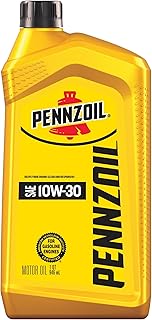
Pennzoil 10W-30 is formulated to keep engines clean and responsive, with proven wear protection in industry-standard tests. It helps prevent dirt and contaminants from turning into deposits that can rob performance, maintaining smoother operation across a wide temperature range.
Valvoline Daily Protection 10W-30, 5 Quart

Valvoline Daily Protection combines conventional chemistry to guard against wear, deposits, and sludge—the common culprits of engine failure. It delivers reliable high-temperature protection, flows well in cold starts, and supports steady performance in everyday driving and more extreme conditions.
Buying Guide: Key Considerations for 10W-30 Conventional Oil
- Engine type and age: Conventional 10W-30 is commonly recommended for older gasoline engines and vehicles with higher mileage. Check your owner’s manual for viscosity and specification guidance.
- Climate and driving: In moderate climates with varied temperatures, 10W-30 offers a balance of cold-start protection and high-temperature stability. For extreme cold, consider a lighter grade, and for extreme heat, look for oils with higher thermal stability.
- Wear protection and sludge control: Look for oils that emphasize anti-wear additives and sludge protection to minimize deposits and maintain engine cleanliness over time.
- Oil change intervals: Conventional oils generally require more frequent changes than synthetic blends or full synthetics. Follow the vehicle’s maintenance schedule and consider driving conditions when deciding on intervals.
- Emission systems compatibility: Some 10W-30 formulations include additives that help support emission control systems. If this matters for your vehicle, verify compatibility with local regulations.
- Volume and maintenance needs: Fleet owners or households with multiple vehicles may prefer larger containers (5 quarts) to simplify replenishment and scheduling of oil changes.
- Brand and availability: Established brands (Castrol, Pennzoil, Valvoline) offer broad availability and proven performance. Availability can affect long-term maintenance planning.
- Warranty and specifications: Always confirm compatibility with your engine’s specifications (API SL or newer) and any manufacturer requirements to avoid warranty concerns.